
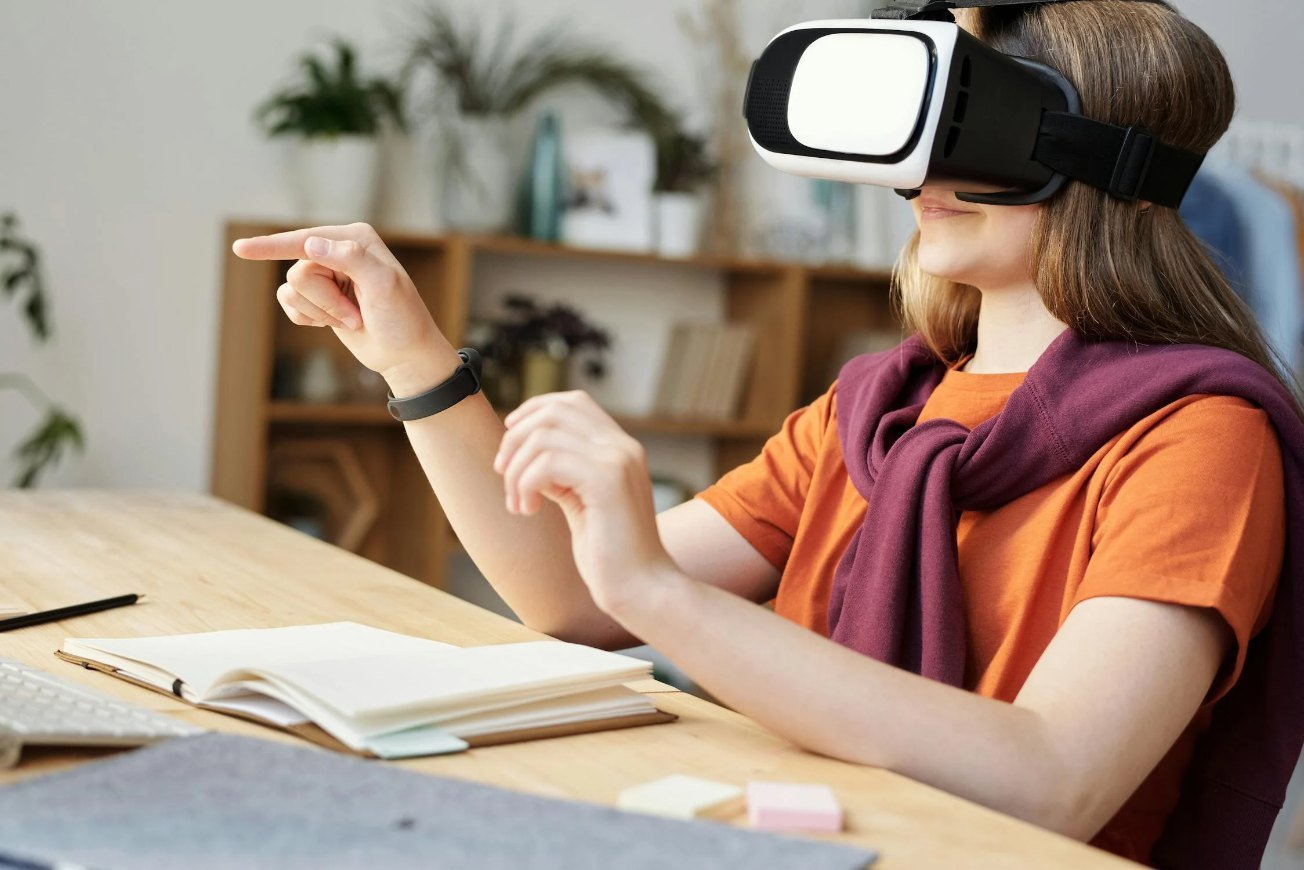
The Potential of VR for Skill Training: From Surgery to Space Exploration
Virtual Reality (VR) technology is proving to be a powerful tool for skill training across a wide range of fields, from surgery to space exploration. By providing immersive and interactive training environments, VR enables individuals to practice and refine their skills in a realistic and controlled setting, enhancing learning outcomes and improving performance.
In the medical field, VR is transforming surgical training by offering realistic simulations that allow medical professionals to practice complex procedures. VR surgical simulations provide a safe and controlled environment for trainees to develop their skills, practice techniques, and gain hands-on experience without the risk of harming real patients. These simulations can replicate various surgical scenarios, including rare or complex cases, helping trainees build confidence and proficiency before performing procedures in real-life settings.
Beyond surgery, VR is also used for training in other areas of medicine, such as emergency response and diagnostics. For example, VR can simulate emergency situations, allowing medical professionals to practice decision-making and crisis management skills. Similarly, VR can provide interactive training for diagnostic procedures, helping trainees learn how to interpret medical images and make accurate diagnoses.
In the field of space exploration, VR is used to train astronauts and mission control personnel. VR simulations can recreate space missions, spacecraft operations, and extraterrestrial environments, providing astronauts with realistic training scenarios that prepare them for the challenges of space travel. These simulations help astronauts practice critical tasks, such as spacecraft maneuvering, spacewalks, and emergency procedures, ensuring they are well-prepared for their missions.
VR also plays a role in training for various other fields, including aviation, military, and industrial operations. In aviation, VR is used to train pilots by simulating flight scenarios, navigation, and emergency procedures. In the military, VR simulations can replicate combat scenarios and tactical exercises, helping soldiers develop and refine their skills. In industrial settings, VR can be used to train workers in equipment operation, safety protocols, and maintenance procedures.
The potential of VR for skill training extends beyond technical skills to include soft skills such as communication, teamwork, and leadership. VR training programs can create interactive scenarios that require participants to collaborate, make decisions, and solve problems, providing valuable practice in these essential areas.
While VR offers numerous benefits for skill training, there are challenges to consider. Ensuring the accuracy and realism of VR simulations is crucial for effective training outcomes. Additionally, the cost of developing and implementing VR training programs can be significant, and there may be limitations in the availability of VR equipment and resources.
In conclusion, VR technology holds great potential for skill training across various fields, from surgery to space exploration. By providing immersive and interactive training environments, VR enables individuals to practice and refine their skills, improving performance and readiness. As VR technology continues to advance, its applications in skill training are likely to expand, offering new opportunities for learning and development.
Stay in the Loop



You May Also Like
 AI & Automation 9 min read| 28 Oct 2025
The Future of Generative AI in Creative Industries
*** Introduction
 Cybersecurity 7 min read| 26 Oct 2025
The Evolution of 6G: What Comes After 5G?
*** Introduction
 IOT & Blockchain 4 min read| 19 Aug 2025
Smart Contracts in Automating Business
Smart contracts, powered by blockchain technology, are revolutionizing the way businesses automate and execute agreements, transactions, and processes. These self-executing contracts enable parties to exchange goods, services, and assets securely and transparently, without the need for intermediaries or manual intervention.
 IOT & Blockchain 7 min read| 08 Sep 2025
From Paper Trails to Permanent Records: How Blockchain is Changing History
Blockchain technology is revolutionizing the way historical records are maintained, offering permanence and security.