
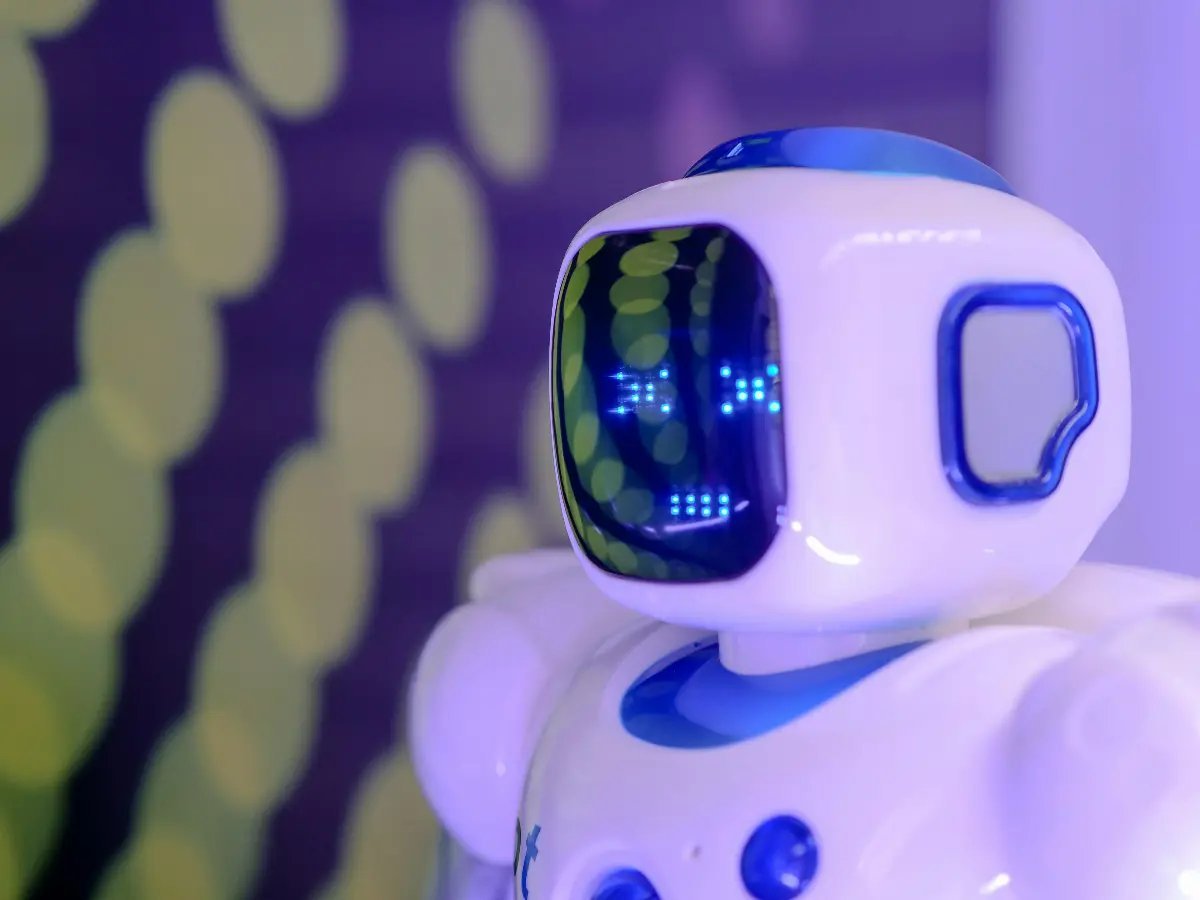
AI in Robotics: Enhancing Automation and Human Interaction
Artificial Intelligence (AI) has revolutionized the field of robotics, ushering in an era of unprecedented automation and interaction between machines and humans. This synergy between AI and robotics holds immense potential to transform various industries, from manufacturing and healthcare to agriculture and entertainment. In this article, we explore how AI is enhancing automation and human interaction in robotics.
Advanced Sensor Technologies: AI-powered robots are equipped with advanced sensor technologies that enable them to perceive and interact with their environment in real-time. These sensors, including cameras, LiDAR, and infrared sensors, provide robots with spatial awareness, allowing them to navigate complex environments, avoid obstacles, and interact safely with humans.
Autonomous Decision-Making: AI algorithms empower robots with autonomous decision-making capabilities, enabling them to analyze vast amounts of data and make informed choices in real-time. This ability is particularly crucial in dynamic environments where robots must adapt to changing conditions and unforeseen obstacles without human intervention.
Collaborative Robotics (Cobots): AI-driven collaborative robots, or cobots, are designed to work alongside humans in shared workspaces, enhancing productivity and safety. These cobots are equipped with AI algorithms that enable them to understand human gestures, commands, and intentions, allowing for seamless collaboration and interaction between humans and machines.
Natural Language Processing (NLP): AI-powered robots are capable of understanding and responding to natural language commands and inquiries through NLP technologies. This capability enables intuitive human-robot interaction, where users can communicate with robots using spoken language, making robotics more accessible and user-friendly.
Emotion Recognition: AI algorithms enable robots to recognize human emotions through facial expressions, gestures, and vocal cues. By understanding human emotions, robots can tailor their responses and behaviors to better engage with users, leading to more meaningful interactions and improved user experience.
Personalized Assistance: AI-driven robots can provide personalized assistance and support to users based on their individual preferences and needs. Whether it's helping elderly individuals with daily tasks, assisting patients in healthcare settings, or providing customer service in retail environments, personalized robotics solutions offer tailored support and assistance to enhance the quality of life for users.
Predictive Maintenance: AI algorithms enable predictive maintenance in robotics systems by analyzing data from sensors and identifying potential issues before they escalate into costly breakdowns. By proactively scheduling maintenance tasks and optimizing performance, AI-driven robotics systems ensure continuous operation and minimize downtime.
Ethical Considerations: As AI becomes increasingly integrated into robotics, ethical considerations surrounding autonomy, privacy, and safety become paramount. It's essential to establish ethical guidelines and regulations to ensure responsible development and deployment of AI-driven robotics systems, mitigating potential risks and ensuring the safety and well-being of users.
In conclusion, AI is driving significant advancements in robotics, enhancing automation and human interaction across various domains. From advanced sensor technologies and autonomous decision-making to collaborative robotics and personalized assistance, AI-powered robots are revolutionizing industries and improving the way humans and machines interact. However, as we embrace these transformative technologies, it's crucial to address ethical considerations and ensure that AI-driven robotics systems are developed and deployed responsibly, prioritizing the safety, privacy, and well-being of society.
Stay in the Loop



You May Also Like
 AI & Automation 4 min read| 21 Jul 2026
Machine Learning Algorithms: An Overview of Popular Techniques and Their Applications
Machine learning algorithms play a pivotal role in today's data-driven world, enabling organizations to analyze vast amounts of data, uncover valuable insights, and make informed predictions. This article provides an overview of several key machine learning techniques and their diverse applications across various domains.
 IOT & Blockchain 5 min read| 12 Aug 2026
The Energy Paradox: Powering the Blockchain Revolution Sustainably
Blockchain technology faces challenges in energy consumption, but innovative solutions aim to make blockchain operations more sustainable.
 Cloud & SaaS 12 min read| 13 Sep 2026
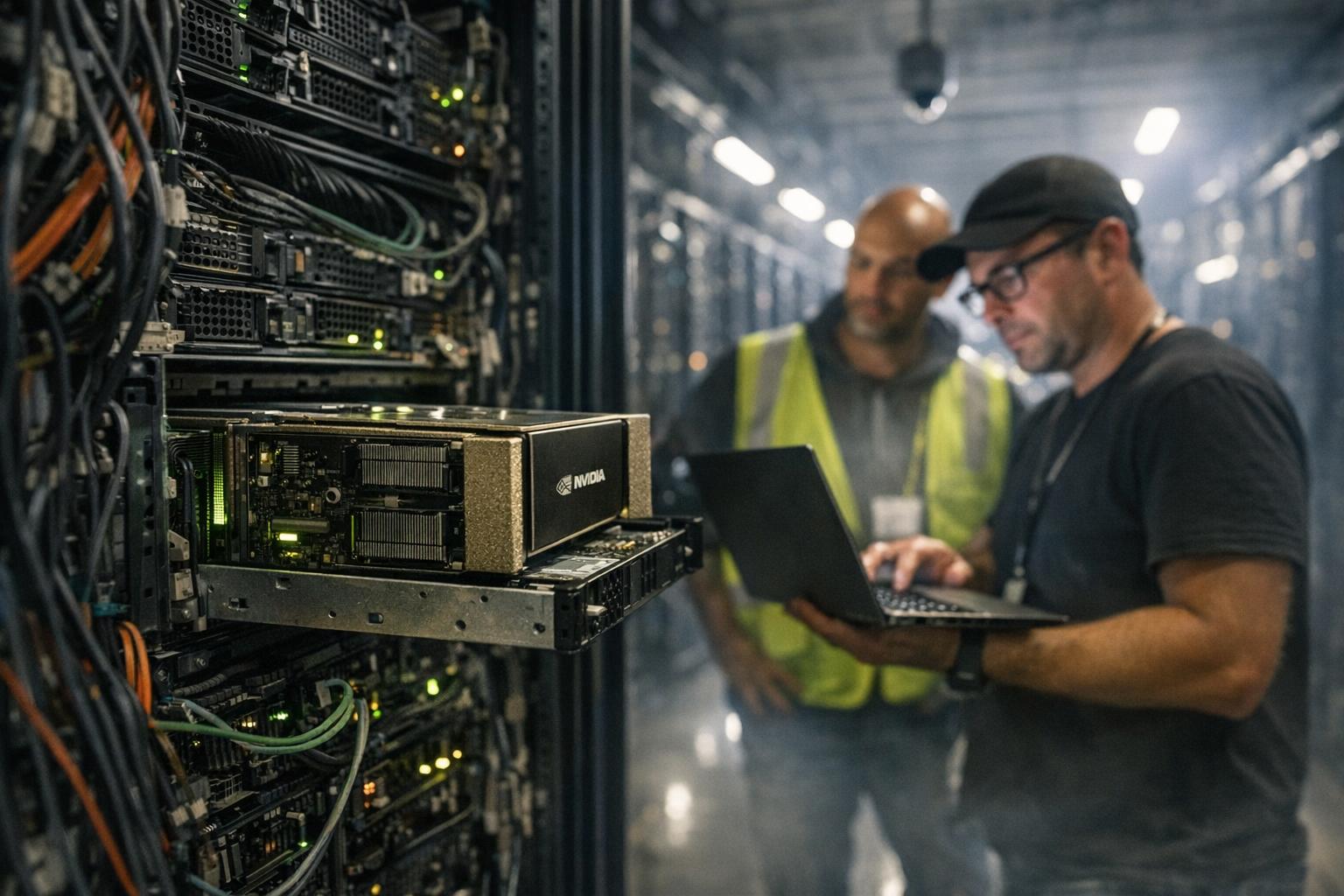
Cloud vs. On-Premises AI: When Does Buying Your Own AI Hardware Actually Make Financial Sense?
Buying AI hardware can beat cloud costs when GPU workloads are large, predictable, heavily utilized, and expected to remain stable for several years. For most growing businesses, however, cloud GPUs remain financially safer because they avoid upfront capital costs, hardware obsolescence, facilities expenses, staffing overhead, and idle capacity. The best choice often combines cloud flexibility with selective on-premises capacity carefully.
 AI & Automation 7 min read| 06 Sep 2026
The Challenges of Bias in AI: Can Machine Learning Ever Be Truly Fair?
The issue of bias in Artificial Intelligence (AI) and machine learning is a critical concern that affects the fairness and reliability of these technologies. As AI systems become increasingly integrated into various aspects of our lives, from hiring practices to law enforcement, it is essential to address the challenges of bias to ensure that machine learning models operate equitably and without discrimination.