
Machine Learning in Healthcare: Transforming Diagnosis and Treatment
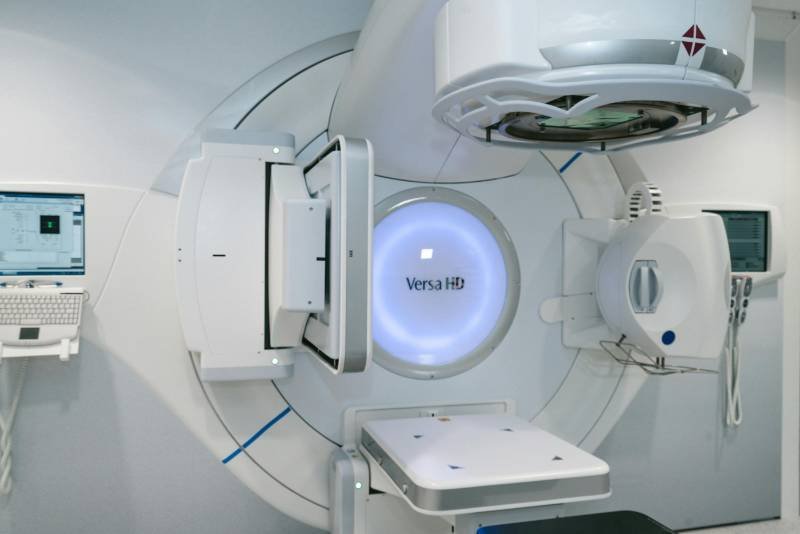
Machine learning (ML) is revolutionizing the healthcare industry by providing more accurate diagnosis, personalized treatments, and predictive analytics that enhance patient care. From radiology to genomics, ML is reshaping how doctors, hospitals, and researchers approach medical challenges. By leveraging big data and powerful algorithms, ML not only improves efficiency but also helps reduce human error and improves patient safety.
How Machine Learning Aids DiagnosisMachine learning algorithms analyze complex medical data far quicker and often more accurately than humans. They are trained on millions of medical images, pathology slides, and patient records to detect anomalies that may not be visible to the human eye.
** Applications in Diagnostics
- Early cancer detection using imaging data and predictive scans - Identifying cardiovascular diseases with advanced predictive models - AI-driven pathology for quicker lab test analysis - Enhanced diagnostic accuracy in dermatology and ophthalmology
What Happens When Your AI Agent Gets Access to Your Email, Files and Apps? The New Security Problem Businesses Need to Understand
ChatGPT vs. Claude for Work: Which AI Is Actually Better for U.S. Businesses in 2026?
How Much Are U.S. Companies Really Spending on AI in 2026? The Numbers Behind the AI Spending Boom
Can AI Agents Actually Replace Business Software in 2026? What the “SaaSpocalypse” Debate Gets Right—and Wrong
By analyzing patient history, medical records, and genetic data, ML models help in creating highly personalized treatment strategies. These reduce trial-and-error in prescriptions, improve outcomes, and provide adaptive therapies that change according to patient progress.
** Key Benefits
- Tailored drug recommendations - Reduced adverse reactions - Efficient recovery monitoring - Optimized dosage levels for chronic patients
💡 Discover More from AI & Automation

AI & Automation
AI Agents vs. AI Assistants: What’s the Difference—and Which One Should Your Business Use in 2026?

AI & Automation
The Future of Generative AI in Creative Industries

AI & Automation
How Artificial Intelligence Is Redefining Workplace Productivity

AI & Automation
The Challenges of Bias in AI: Can Machine Learning Ever Be Truly Fair?
Traditional drug development is time-consuming and expensive. ML accelerates this process by predicting how compounds will interact with the body, drastically reducing time and cost. It can analyze millions of compounds in days, compared to years with traditional lab testing.
[https://blockone.us/The-Role-of-AI-in-Autonomous-Vehicles-What-s-Next-for-Self-Driving-Cars-](The Ethical Dilemmas of Artificial Intelligence: What We Need to Know)
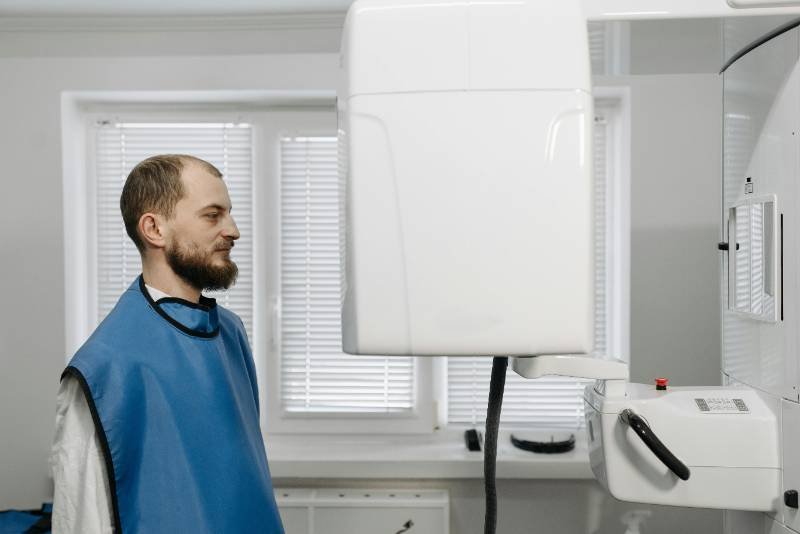
Predictive Healthcare and Preventive MedicineML models are used to predict disease outbreaks, readmission risks, and patient deterioration. This predictive approach shifts healthcare from reactive to preventive, allowing doctors to intervene earlier and save more lives.
** Preventive Applications
- Early warning systems in ICUs - Predicting diabetes or heart disease risks - Monitoring wearable devices for real-time alerts - Remote patient monitoring for elderly care
[https://healthtechmagazine.net/article/2023/05/how-ai-and-ml-are-transforming-preventive-healthcare](AI in Preventive Healthcare)
Challenges and Ethical ConsiderationsWhile ML in healthcare is powerful, it raises concerns around data privacy, bias in algorithms, and transparency of decision-making. Ethical deployment of these technologies is crucial for patient trust.
** Major Concerns
- Protecting sensitive patient data from breaches - Avoiding algorithmic bias in diagnosis and treatment - Regulatory approvals and clinical validation - Building trust among patients and healthcare professionals
Future OutlookThe integration of ML in healthcare is only expected to grow, with advancements in precision medicine, robotic surgeries, and AI-assisted mental health tools paving the way for a healthier future. ML will also become central in virtual health assistants, remote diagnosis, and smart hospital systems.
[https://www.who.int/news-room/fact-sheets/detail/artificial-intelligence](WHO on AI in healthcare)
Stay in the Loop


You May Also Like
 IOT & Blockchain 12 min read| 10 Sep 2026
Stablecoins in the U.S. Explained: What the GENIUS Act Actually Changes for Your Money in 2026
Stablecoins are digital tokens designed to maintain a stable value, usually by tracking the U.S. dollar. The GENIUS Act, signed into law in July 2025, creates a federal framework for payment stablecoins, including reserve, disclosure, redemption, licensing, and compliance requirements. For Americans, the law may improve transparency and confidence, but stablecoins remain different from insured bank deposits.
 Cloud & SaaS 7 min read| 19 Aug 2026
The Impact of Augmented Reality on Retail: Shopping in a Virtual World
Augmented Reality (AR) is revolutionizing the retail industry by enhancing the shopping experience and transforming how consumers interact with products. AR technology overlays digital information onto the real world, allowing shoppers to visualize and interact with products in new and innovative ways. This immersive technology is reshaping retail by providing personalized and engaging experiences for customers.
 IOT & Blockchain 5 min read| 30 Jul 2026
Is Your Industry Ready for the Blockchain Disruption?
Blockchain technology is poised to disrupt various industries by enhancing transparency, security, and efficiency.
 AI & Automation 5 min read| 25 Aug 2026
The Role of AI in Autonomous Vehicles: What’s Next for Self-Driving Cars?
Artificial Intelligence (AI) is a driving force behind the development of autonomous vehicles, promising to revolutionize transportation and mobility. Self-driving cars rely on sophisticated AI systems to navigate, make decisions, and ensure safety on the road.