
How Blockchain Is Reshaping Global Supply Chains
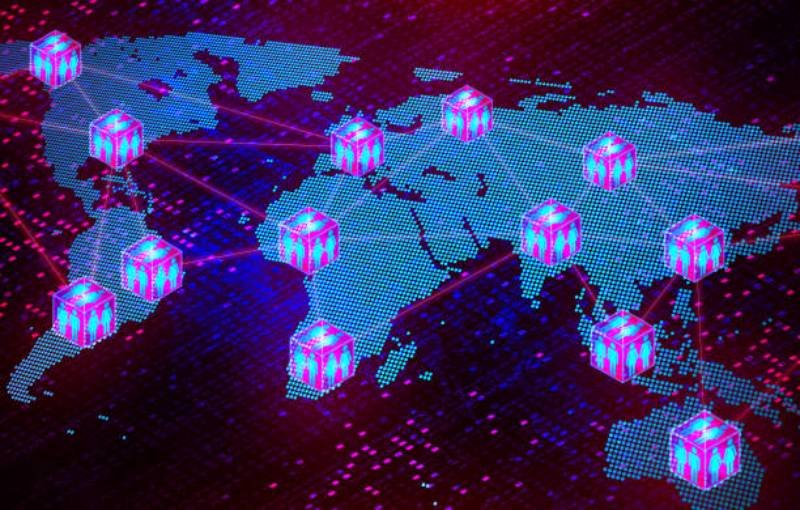
Blockchain technology is revolutionizing global supply chains by providing transparency, traceability, and security. In an era of increasing complexity, where goods traverse multiple countries and stakeholders, blockchain offers a decentralized and immutable ledger that ensures accountability and trust across the entire supply chain.
The Challenges in Traditional Supply ChainsGlobal supply chains often suffer from inefficiencies, lack of transparency, counterfeiting, and delayed information flow. Businesses struggle with tracking products, verifying authenticity, and ensuring compliance with regulations. These challenges increase operational costs, reduce consumer trust, and limit the efficiency of international trade.
https://www.youtube.com/watch?v=Xmh1wMih7p4
Blockchain introduces a decentralized ledger where each transaction is recorded and verified by network participants. Key benefits include: - **Transparency: Every participant can access the same information, reducing errors and miscommunication - **Traceability: Products can be tracked from origin to delivery, ensuring authenticity and reducing fraud - **Security: Data recorded on the blockchain is immutable and tamper-proof, enhancing trust among stakeholders - **Efficiency: Automated smart contracts streamline processes, reducing administrative overhead and delays
[https://www.supplychaindigital.com/technology/blockchain-transforming-global-supply-chains](How Blockchain is Transforming Supply Chains)
💡 Discover More from IOT & Blockchain
AI & Automation
The Future of Quantum AI: What Happens When AI Meets Quantum Computing?

AI & Automation
How AI is Enhancing Video Games: Creating Smarter NPCs and Dynamic Worlds

AI & Automation
The Role of AI in Drug Discovery: Speeding Up Breakthroughs
AI & Automation
AI in E-Commerce: Revolutionizing Customer Experience and Logistics
Several industries are already leveraging blockchain to enhance supply chain management: - **Food Industry: Companies like Walmart and Nestle use blockchain to trace the journey of food products, ensuring safety and freshness - **Pharmaceuticals: Blockchain helps verify the authenticity of medicines and prevents counterfeiting - **Luxury Goods: Brands like LVMH and De Beers use blockchain to track product provenance, ensuring authenticity and sustainability - **Logistics:** Shipping companies employ blockchain to monitor cargo movement, automate documentation, and improve cross-border trade efficiency
[https://www.forbes.com/sites/forbestechcouncil/2023/07/01/blockchain-supply-chain](The Future of Blockchain in Supply Chain Management)
Benefits for BusinessesImplementing blockchain in supply chains offers numerous advantages: - Improved transparency and accountability - Reduced risk of fraud and counterfeit products - Faster and more efficient transactions through smart contracts - Better regulatory compliance and reporting - Enhanced customer trust through verifiable product information
Challenges of Implementing Blockchain in Supply ChainsDespite its benefits, blockchain adoption comes with challenges: - High initial costs of deployment and integration - Need for stakeholder collaboration across the supply chain - Regulatory and legal uncertainties in different countries - Scalability issues and energy consumption concerns - Requirement for technical expertise to maintain and operate blockchain systems
The Future of Blockchain in Global Supply ChainsBlockchain is poised to become a standard in global supply chain management. Integration with IoT, AI, and big data will further enhance traceability, predictive analytics, and operational efficiency. As more companies adopt blockchain and regulatory frameworks evolve, supply chains will become more transparent, secure, and resilient. Consumers will also benefit from greater confidence in product authenticity and ethical sourcing practices.
 Case Studies of Blockchain Success
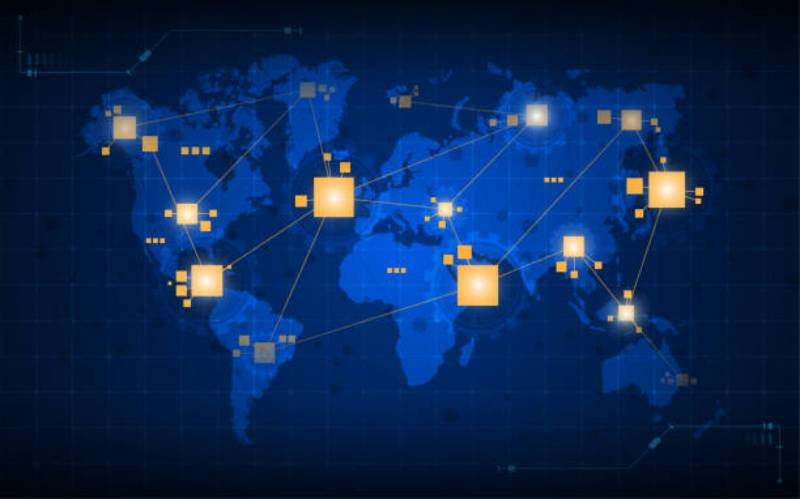
- Walmart uses blockchain to track leafy greens and other perishables, reducing the time needed to trace product origins from days to seconds. - De Beers tracks diamonds from mine to retailer using blockchain, ensuring ethical sourcing and authenticity. - Maersk collaborates with IBM to implement TradeLens, a blockchain-based shipping platform that increases transparency and efficiency in global logistics.
[https://blockone.us/How-Blockchain-is-Powering-the-New-Wave-of-Smart-Contracts](How Blockchain is Powering the New Wave of Smart Contracts )
ConclusionBlockchain is reshaping global supply chains by enhancing transparency, security, and efficiency. While challenges remain, the benefits for businesses and consumers are substantial. As blockchain technology continues to evolve, it will drive the next generation of smart, secure, and transparent supply chains, fundamentally transforming how goods move across the globe.
Stay in the Loop


You May Also Like
 IOT & Blockchain 4 min read| 04 Oct 2025
The Data Dividend: Can Blockchain Help Us Own Our Data?
Blockchain technology offers potential solutions to empower individuals with ownership and control over their personal data, fostering privacy and fair compensation.
 Cloud & SaaS 7 min read| 18 Oct 2025
How AR and VR Are Enhancing Sports Training and Performance Analysis
Augmented Reality (AR) and Virtual Reality (VR) are making significant contributions to sports training and performance analysis, offering athletes and coaches innovative tools to enhance skills, improve performance, and gain valuable insights. By providing immersive and interactive environments, AR and VR technologies are transforming how sports training is conducted and how performance is evaluated.
 Cloud & SaaS 6 min read| 05 Oct 2025
AR for Astronauts: Training for Space Exploration on Earth
Augmented Reality (AR) technology is revolutionizing astronaut training by providing immersive and realistic simulations of space exploration missions right here on Earth. From extravehicular activities (EVAs) to spacecraft operations, AR enables astronauts to practice and prepare for the challenges of space travel in a safe and controlled environment.
 Cloud & SaaS 7 min read| 07 Oct 2025
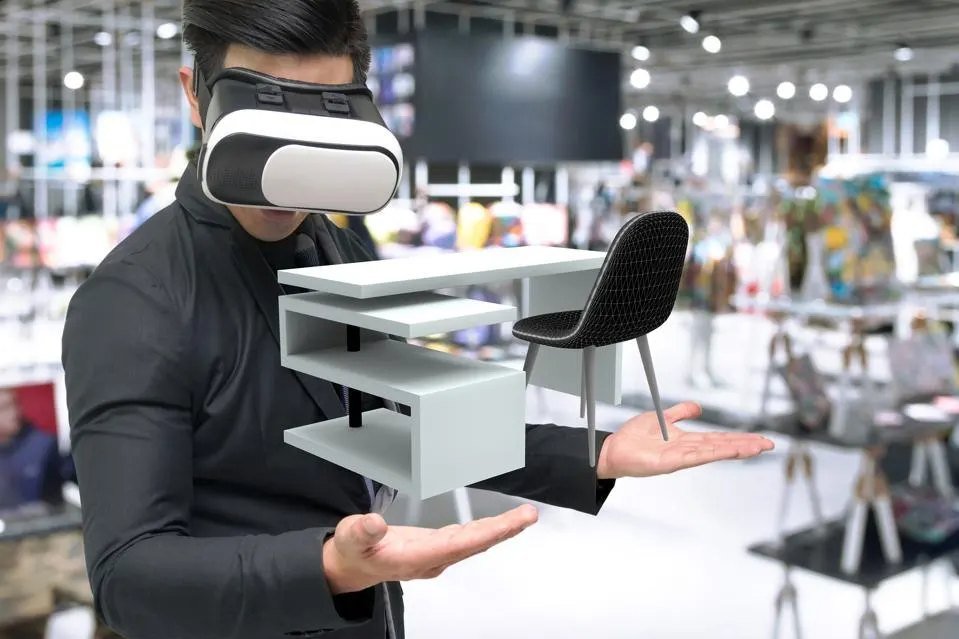
The Impact of Augmented Reality on Retail: Shopping in a Virtual World
Augmented Reality (AR) is revolutionizing the retail industry by enhancing the shopping experience and transforming how consumers interact with products. AR technology overlays digital information onto the real world, allowing shoppers to visualize and interact with products in new and innovative ways. This immersive technology is reshaping retail by providing personalized and engaging experiences for customers.