

Blockchain in Supply Chain Management: Enhancing Transparency and Efficiency
Blockchain technology is revolutionizing supply chain management by providing enhanced transparency, efficiency, and traceability. Traditionally, supply chains are complex networks involving numerous intermediaries, each with their own records. Blockchain’s decentralized ledger addresses these challenges by offering a unified, immutable record of all transactions and movements.
One of the most significant benefits of blockchain in supply chain management is the increase in transparency. Blockchain’s ledger allows all participants to access a single, immutable record of transactions, which enhances trust and accountability across the supply chain. This visibility helps to eliminate fraud, reduce errors, and ensure that all parties have access to accurate and up-to-date information regarding the status and movement of goods.
Blockchain also streamlines supply chain operations by reducing administrative overhead and automating processes through smart contracts. These self-executing contracts automatically enforce the terms of an agreement based on predefined conditions. For instance, smart contracts can automate payments, trigger reorders, and validate compliance with contracts, thereby reducing the need for manual intervention and minimizing the risk of human error.
Traceability is another critical advantage offered by blockchain. By recording every transaction on an immutable ledger, blockchain allows businesses to track the provenance of goods with unprecedented accuracy. This capability is crucial in industries where the authenticity and quality of products are paramount, such as pharmaceuticals and food. For example, blockchain can track a product’s journey from its origin to the consumer, providing detailed information about its quality and safety.
Furthermore, blockchain enhances supply chain security and resilience. The decentralized nature of blockchain reduces the risk of single points of failure, making it more resistant to tampering and cyberattacks. Cryptographic techniques used to secure the data ensure that sensitive information remains protected, mitigating risks related to data breaches and fraud.
Despite its numerous benefits, implementing blockchain in supply chains comes with challenges. The technology requires significant investment in infrastructure and integration with existing systems. Additionally, achieving consensus among all supply chain participants and addressing issues related to data privacy and interoperability are crucial for successful implementation.
In conclusion, blockchain technology has the potential to transform supply chain management by improving transparency, efficiency, and traceability. As the technology continues to develop, its integration into supply chains promises to deliver greater visibility and security, addressing many of the current challenges faced by businesses and consumers alike.
Stay in the Loop



You May Also Like
 AI & Automation 7 min read| 01 Sep 2026
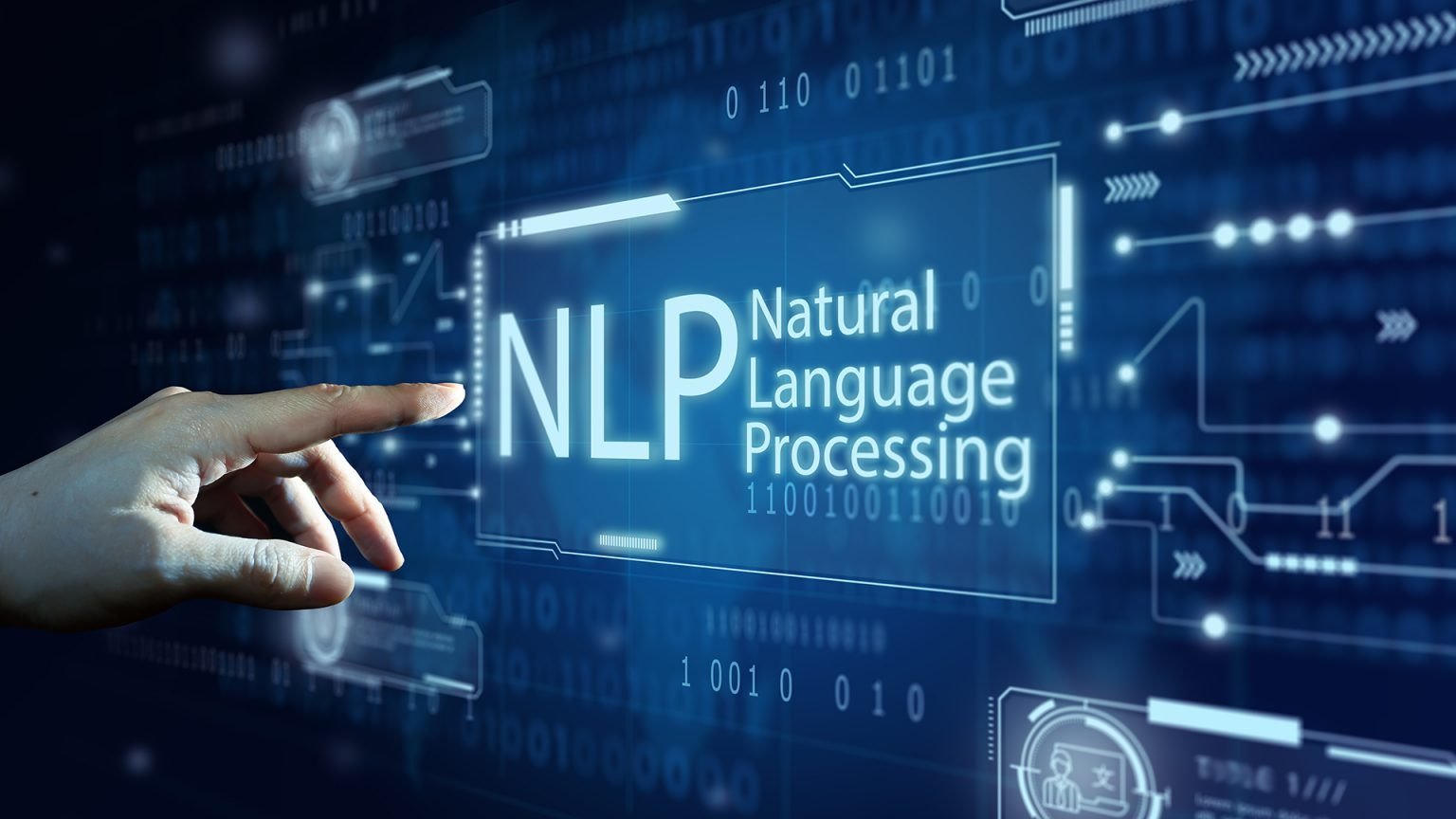
The Impact of Deep Learning on Natural Language Processing (NLP)
Deep learning has revolutionized the field of Natural Language Processing (NLP), leading to remarkable advancements in how machines understand and generate human language. By leveraging complex neural networks and large datasets, deep learning algorithms have transformed NLP applications, enhancing their accuracy and capabilities.
 IOT & Blockchain 4 min read| 15 Aug 2026
From Fans to Funders: Blockchain Revolutionizes Fan Engagement
Blockchain technology transforms fan engagement by offering new ways for fans to support, interact with, and invest in their favorite artists and creators.
 AI & Automation 2 min read| 27 Jun 2026
AI in Agriculture: Improving Crop Yield and Sustainability
Artificial intelligence (AI) is revolutionizing agriculture by providing innovative solutions to improve crop yield, optimize resource management, and promote sustainability. From precision farming to crop monitoring, AI technologies offer farmers valuable insights and tools to enhance productivity and efficiency in agricultural practices.
 AI & Automation 3 min read| 20 Aug 2026
Machine Learning in Cybersecurity: Protecting Data in a Digital World
Machine learning is becoming a crucial tool in the field of cybersecurity, enhancing the ability to detect, prevent, and respond to cyber threats. As cyberattacks become more sophisticated, machine learning algorithms are playing a pivotal role in safeguarding data and maintaining digital security.